December 9, 2025

Step into any well-designed kitchen and one element quietly commands your attention: the benchtop. It’s where light lands first in the morning, where everyday routines settle into place, and where family and friends naturally gather. In a custom home, every material is chosen with care, and selecting the right benchtop becomes a defining moment in shaping how your kitchen feels and functions.
Today’s materials offer a wide spectrum of beauty, strength and practicality. Understanding their differences, how they perform, how they age and how they support the way you live, helps you make decisions with clarity and confidence. This guide brings together the kitchen benchtop materials most loved in luxury Perth homes, supported by insights from recent Stannard Homes designs.
Key Takeaways
- Stone, mineral, porcelain and timber each bring distinct qualities to your kitchen’s look and function.
- How you cook, clean and live day-to-day should guide your selection as much as aesthetics.
- Texture, finish and lighting influence how a benchtop feels within the kitchen.
- The most cohesive kitchens pair materials thoughtfully, creating harmony rather than contrast for contrast’s sake.
Why Benchtop Materials Matter More Than You Think
In any home, the kitchen carries much of the daily rhythm. In a custom home build, it also becomes a reflection of your personal design sensibilities. The benchtop sits right at the heart of this balance. It’s the surface you touch the most. The place where food preparation begins. The anchor around which cabinetry, lighting and appliances quietly align.
Material choice shapes the overall mood of the kitchen. A polished finish brightens the room and sharpens reflections. A honed or matte surface softens the light. Natural stone brings gentle movement and organic detail, while mineral offers the calm predictability of a flawless, uniform surface.
These aren’t minor differences. They influence how the kitchen feels every day, which is why, at Stannard Homes, benchtop materials are considered from the earliest design discussions, not added at the end.
The Most Loved Kitchen Benchtop Materials
Natural Stone: Textural, expressive and full of personality
There’s something enduring about natural stone. Every slab tells its own story through its veining and tonal shifts. Marble, granite and limestone introduce subtle or dramatic variation, allowing you to choose the expression that suits your home’s palette.
Stone does ask for care: sealing, soft cloths, mindful cleaning. But for many homeowners, the way it develops a soft patina over time is part of its beauty. It feels honest. Earthy. Architectural.
In a recent Stannard Homes kitchen, a honed marble island added gentle movement to an otherwise pared-back design; a quiet statement piece that felt effortless rather than commanding.
Caesarstone Mineral: Consistent, durable and easy to maintain
Mineral has become a favourite for good reason. It’s dependable, beautifully consistent and available in a broad range of tones and finishes. For households that cook frequently or prefer a low-maintenance approach, mineral offers a graceful balance of beauty and practicality.
Its even patterning allows other design elements, timber joinery, sculptural rangehoods, and statement lighting, to take the lead. The result is a kitchen that feels calm, measured and welcoming.
In a recent design concept, we paired a warm-toned mineral with fluted timber cabinetry, creating a soft, light-filled palette that felt both refined and highly functional.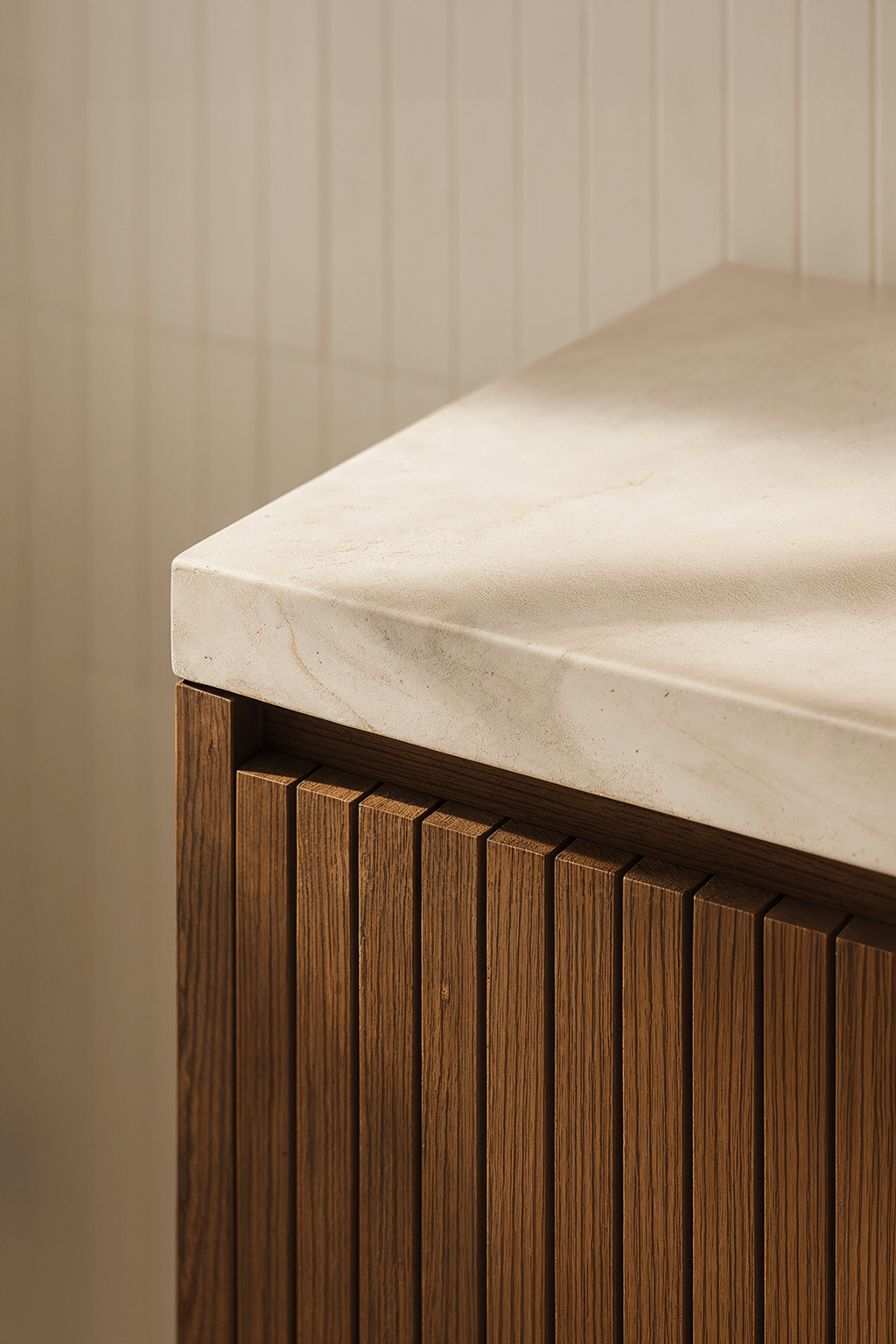
Porcelain: Strong, sleek and highly versatile
Porcelain is one of the most resilient benchtop materials available today. It withstands heat, resists scratching, doesn’t fade in strong sunlight and performs beautifully indoors and outdoors alike; an ideal match for WA’s climate.
Its design versatility is extraordinary. Porcelain can mimic the look of natural stone, polished concrete, brushed metal or soft textured finishes, giving you creative freedom without sacrificing durability.
In one of our bespoke Stannard Homes home designs, large-format porcelain was used across both benchtop and splashback, creating a seamless, architectural surface that made the entire kitchen feel grounded and sculptural.
Timber: Warm, Textural, and Beautifully Human
Timber introduces warmth the moment it’s added to a kitchen. Its grain, colour and tactility soften modern lines and bring a natural, welcoming presence to the space. It’s expressive without being loud; a material that invites touch and adds character.
Because timber is more sensitive to moisture and wear, it’s often used as a feature rather than the primary benchtop surface: a raised breakfast bar, an island detail, a built-in seating element.
Choosing What Works for Your Lifestyle
While appearance will always influence your decision, the benchtop you choose should support your day-to-day life. Some kitchens experience constant activity: cooking, entertaining, kids coming and going, while others are quieter, more considered spaces.
Think about how you use your kitchen:
- Choose natural stone if you love organic beauty and appreciate the way materials evolve.
- Choose mineral if consistency, ease and everyday practicality matter most.
- Choose porcelain if you want maximum durability, especially across indoor–outdoor kitchen zones.
- Choose timber if warmth and natural texture are essential to your design vision.
The right material is the one that feels aligned with your lifestyle now and into the future.
How Benchtop Materials Influence Style and Flow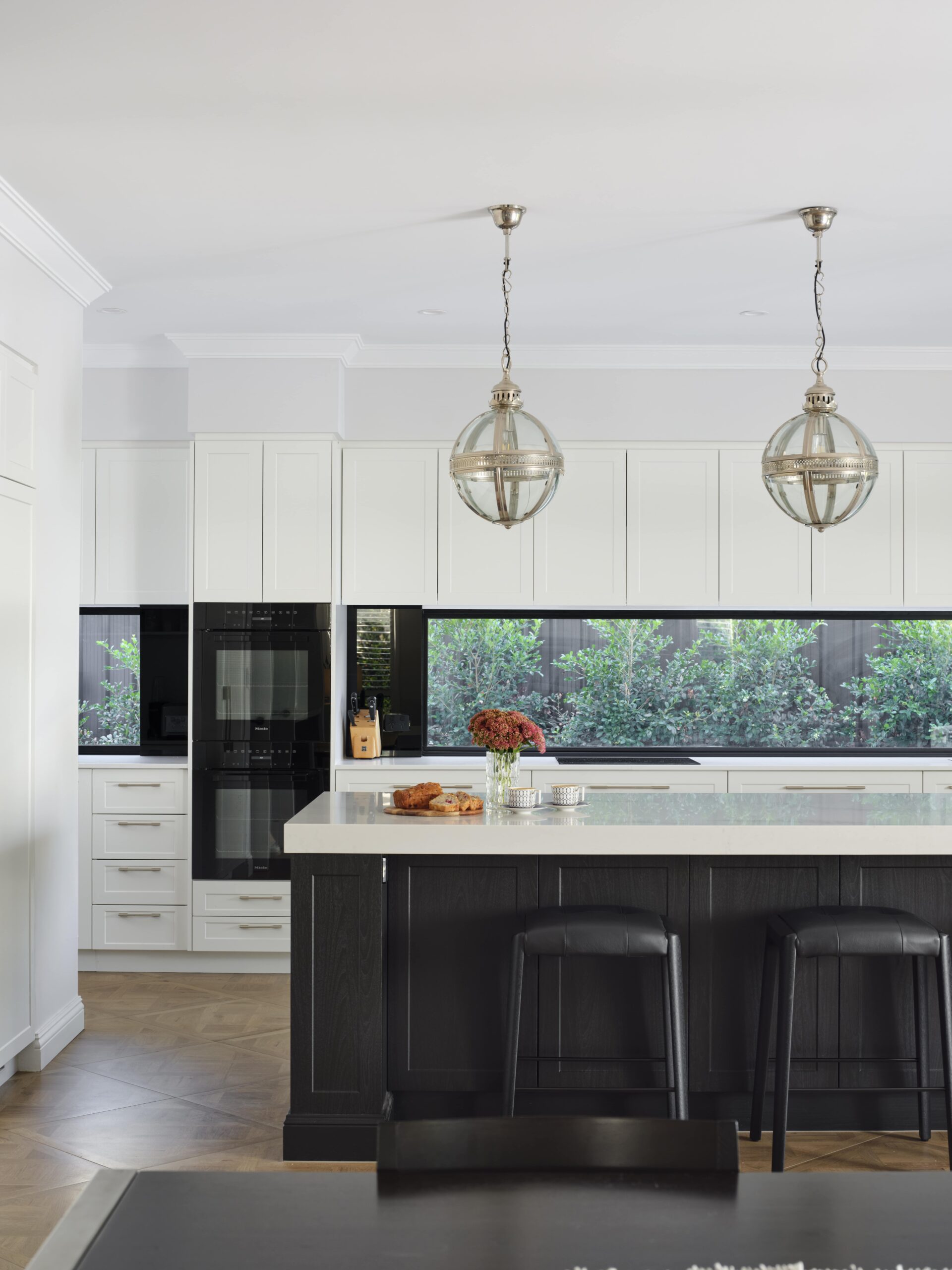
A benchtop does more than complete the kitchen; it shapes its flow. The thickness of the edge, the finish, and the way light moves across the surface all contribute to the overall experience of the space.
- Matte and honed finishes create a softer, more understated look.
- Polished finishes amplify light and open up smaller kitchens.
- Thicker profiles feel bold and architectural.
- Slimmer edges offer clean, contemporary lines.
Lighting plays a quiet but important role. Morning sun can reveal the depth of natural stone, while warm evening lighting enriches timber and softens the appearance of matte porcelain. When these elements work together, the kitchen feels seamlessly resolved.
Kitchen Design Trends for 2026
The direction of kitchen design trends in 2026 leans toward warmth, tactility and quiet sophistication. Rather than bold statements, homeowners are embracing materials and details that feel natural, enduring and connected to daily living.
Some of the strongest trends include:
- Matte, textured finishes that diffuse light beautifully
- Warm neutrals and muted earthy palettes
- Large porcelain slabs for continuous surfaces
- Integrated sinks and cohesion between the benchtop and joinery
- Gentle veining and subtle patterning over high-contrast designs
These shifts reflect a broader movement toward kitchens that prioritise longevity, comfort and a sense of calm; something Stannard Homes has long championed in custom home design.
Bringing Materials Together in Creating a Cohesive Palette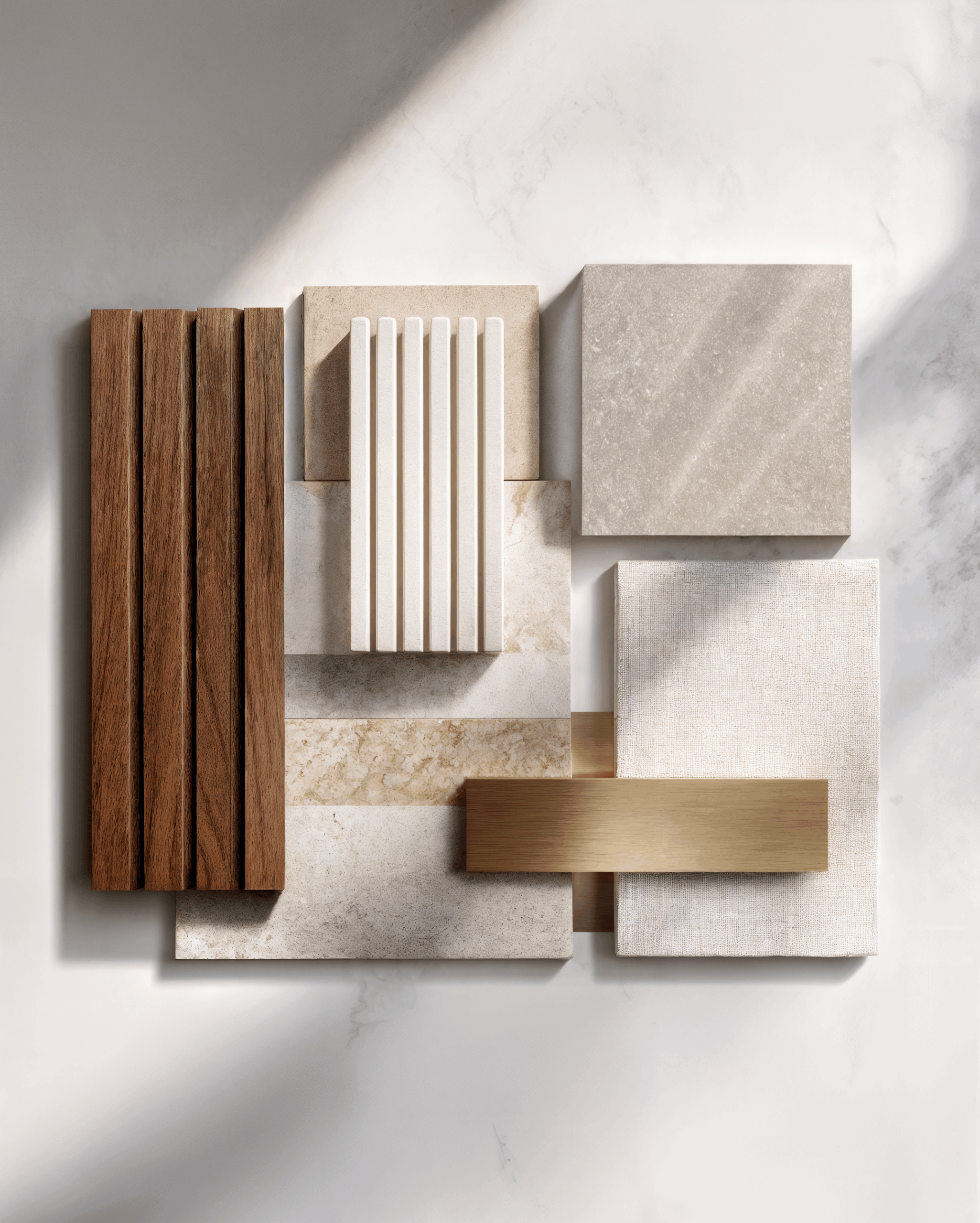
Material harmony is one of the defining traits of a well-designed kitchen. When benchtops, cabinetry and lighting are selected together, the space feels balanced and intentional.
Some beautifully paired combinations include:
- Soft-toned mineral with light oak cabinetry for an airy, Scandinavian-inspired feel.
- Dark porcelain with brass accents for a rich, modern look.
- Timber with neutral cabinetry to bring warmth to minimalist designs.
- Natural stone with muted joinery to let the stone become the hero element.
The aim isn’t to match materials perfectly but to allow each one to complement the others without competing for attention.
Designing a Kitchen That Feels Like Home
Your kitchen benchtop is more than a specification on a plan; it becomes part of the way you live, gather and move through your home. The right material should feel intuitive, enduring and aligned with your lifestyle, not just your aesthetic preferences.
At Stannard Homes, we guide you through material options, lighting considerations and design combinations so your dream kitchen design comes together as a space that feels beautifully resolved and uniquely yours.
If you’re ready to explore benchtop materials for your custom home, our team would love to help you begin the journey toward a kitchen that feels effortless, functional and deeply personal.
Frequently asked questions
1. How do I choose a benchtop material that will still look good in 10–15 years?
Timelessness comes from subtlety, not trend. Materials with gentle movement, muted tones and natural finishes tend to age gracefully. Look for surfaces that feel calm rather than busy, and choose finishes that can adapt as your cabinetry or styling evolves. In most luxury homes, stone, soft-toned mineral and refined porcelain offer the kind of longevity that continues to feel relevant and elegant for years.
2. Are certain benchtop materials better for Perth’s climate?
Yes. Perth’s strong sunlight and warm climate favour UV-resistant materials like porcelain and mineral, which hold their colour and finish over time. Natural stone can also perform beautifully, but it may require more protection from direct sunlight if the kitchen opens to outdoor areas. Timber works well indoors but is best kept away from areas with strong heat exposure or full sun.
3. Can I combine more than one benchtop material in the same kitchen?
Absolutely. In fact, combining materials can create a more layered, thoughtful design. Pairing a durable mineral work surface with a timber breakfast bar or using porcelain on an island with stone on the perimeter can bring warmth, contrast and balance. Blending materials works best when they share complementary tones or textures.
4. Can lighting dramatically change the look of my benchtop?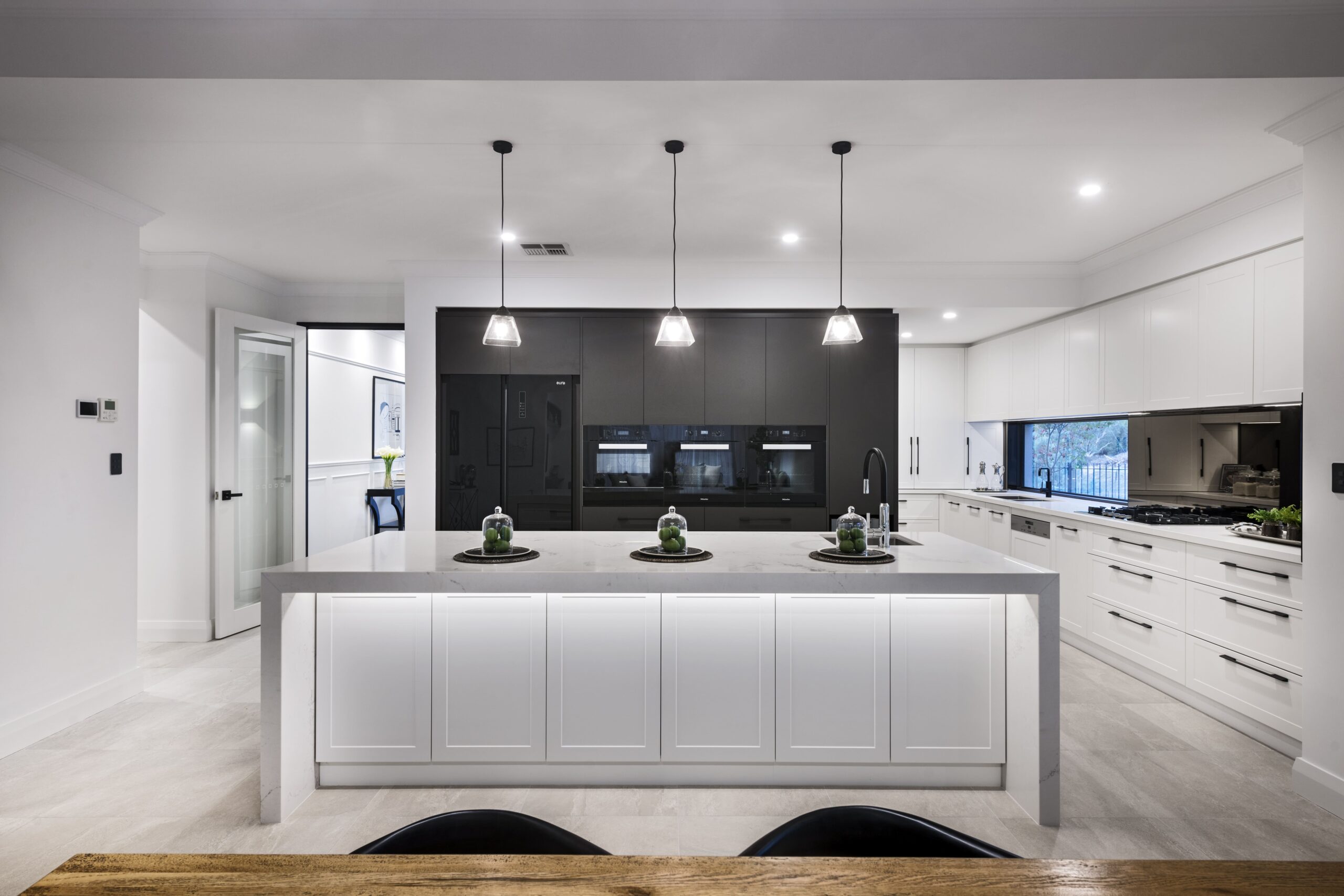
Yes, and often more than people expect. Morning light brings out the natural movement in stone, while warm evening lighting can emphasise texture in matte or honed finishes. LED strip lighting beneath cabinetry can highlight edges and introduce subtle depth. A benchtop that works beautifully across different lighting conditions will feel harmonious throughout the day.
5. How do I know if a benchtop finish (matte, polished, textured) suits my lifestyle?
Think about light, use and touch. Polished surfaces brighten compact spaces and are easy to clean. Matte finishes feel softer and more architectural, but can show certain marks more readily. Textured surfaces offer tactility and depth but may require slightly more care. The right finish is the one that supports your routines while complementing your home’s overall aesthetic.